Building a legacy through timber and craftsmanship
Our workshop was established in 2018 by a collective of furniture makers who shared a common frustration: mass production had stripped furniture of its soul. We saw an opportunity to return to fundamentals while embracing modern technology.
What began as a small operation in a converted warehouse has evolved into a full-scale manufacturing facility capable of handling complex commercial projects alongside intimate residential commissions.
We source timber from certified sustainable forests and urban timber salvage programs. Each species is selected for its performance characteristics, not just aesthetics.
Our joinery methods prioritize long-term durability. We avoid shortcuts that compromise structural integrity, even when they're invisible to the eye.
We work closely with architects, interior designers, and end users to ensure every piece serves its intended purpose while exceeding aesthetic expectations.
Our team regularly invests in skill development, from traditional hand-tool techniques to digital fabrication workflows.
Our production team includes cabinetmakers, industrial designers, and finishing specialists. Some have decades of experience in heritage restoration, others bring expertise from product design backgrounds.
This diversity of perspective ensures we approach each project from multiple angles, finding solutions that balance beauty, function, and manufacturability.
The workshop spans 3,200 square meters and houses both traditional machinery and CNC equipment. This hybrid approach allows us to maintain efficiency for production runs while preserving the handcrafted quality that defines bespoke work.
Our finishing room operates with climate control to ensure consistent results across all seasons. We use low-VOC finishes and water-based stains wherever possible without compromising durability.
The facility includes a dedicated space for timber acclimatization, allowing materials to adjust to ambient conditions before fabrication begins. This step prevents warping and movement after installation.
Every commission starts with listening. We ask about daily routines, spatial constraints, and long-term plans. A dining table needs to accommodate not just current needs but potential future uses.
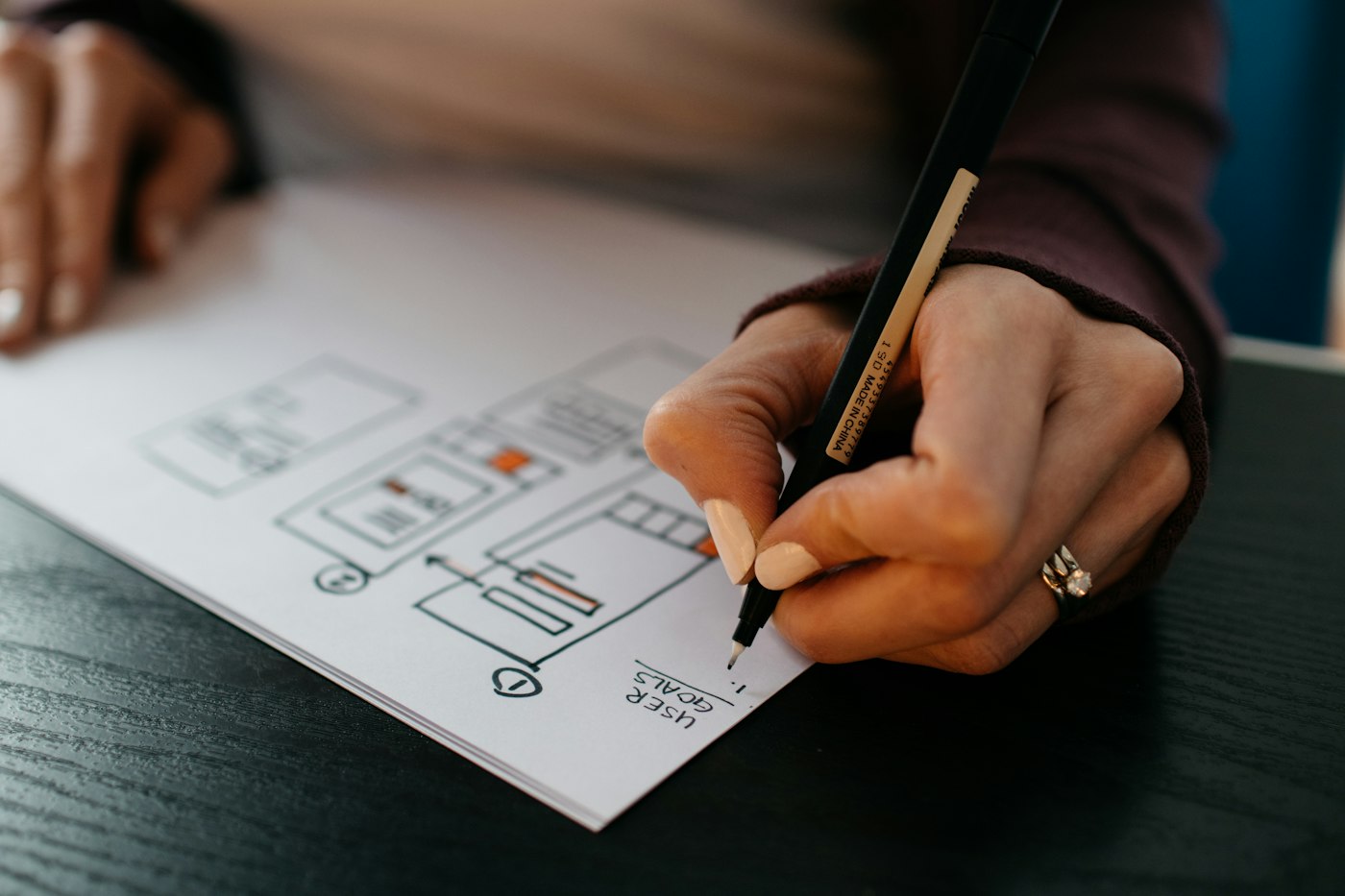
Design development involves iterative refinement. We prepare detailed technical drawings and often create scale models or digital renderings to ensure alignment before cutting timber.
During manufacturing, our quality checks occur at each stage rather than just at completion. This catches potential issues early when they're easier to address.
We prioritize Australian hardwoods from responsibly managed forests and maintain relationships with timber yards that share our environmental values. Offcuts are either repurposed into smaller items or donated to local woodworking schools.
Our workshop implements dust collection systems that capture over ninety-eight percent of airborne particles, protecting both our team and the surrounding environment.
Visit our contact page to discuss your project requirements.
Contact Us